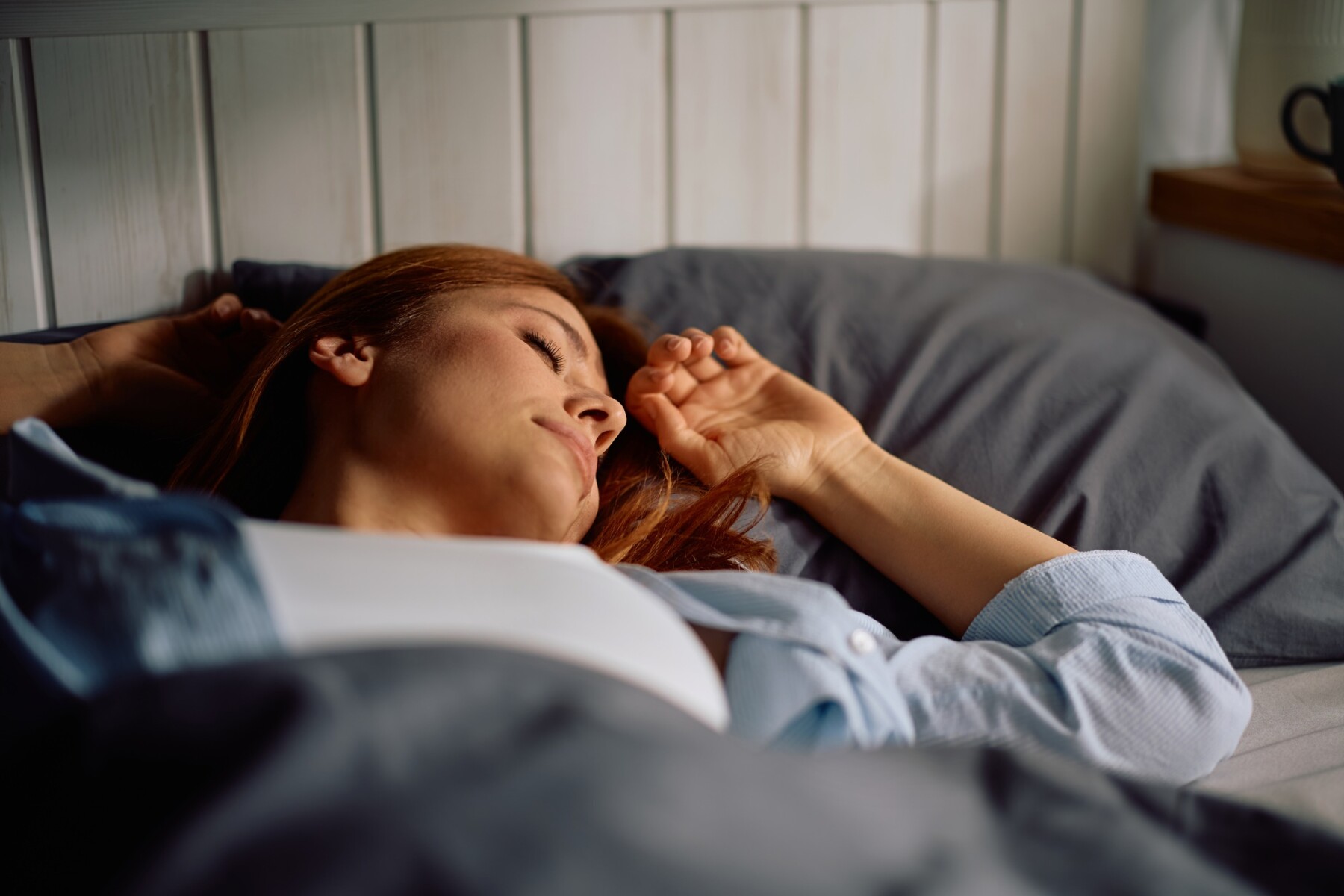
Do you (sometimes) also suffer from a poor night’s sleep?
Often that is a temporary and, fortunately, rather harmless problem. Yet a lack of sleep can have serious consequences in the long term. Poor or insufficient sleep impairs our immune system, and something definitely needs to be done about that, says sleep coach Carlo Van Hulle. A good night’s sleep is essential for a healthy life.
The night as a mirror of the day
Sleep problems are steadily increasing, as is the use of sleeping medication. Yet every person is a born sleeper. You are no exception. But we also have another deep-rooted trait: our stress response. It keeps us awake when we are emotional, experience stress, feel tension or are irritated.
Sleeping badly strongly affects our health and quality of life. We feel tired during the day, find it harder to concentrate, are more irritable, experience less joy in life and our immunity declines.
The vicious circle of insomnia
People who sleep badly often lose confidence in naturally getting a good night’s rest. You start worrying about whether you will sleep that night, and in doing so you end up in a vicious circle.
A sleep disorder often manifests on three levels:
-
Mental: worrying and negative thoughts that disturb rest.
-
Physical: a tense body and disturbed breathing.
-
Emotional: difficulty processing stress, fear or anxiety.
Live more mindfully during the day for a better night’s sleep
How you handle everything that comes your way during the day partly determines the quality of your sleep. That’s why it’s important to live more mindfully and be present in the moment, instead of dwelling in the past or worrying about the future.
How do you put that into practice?
-
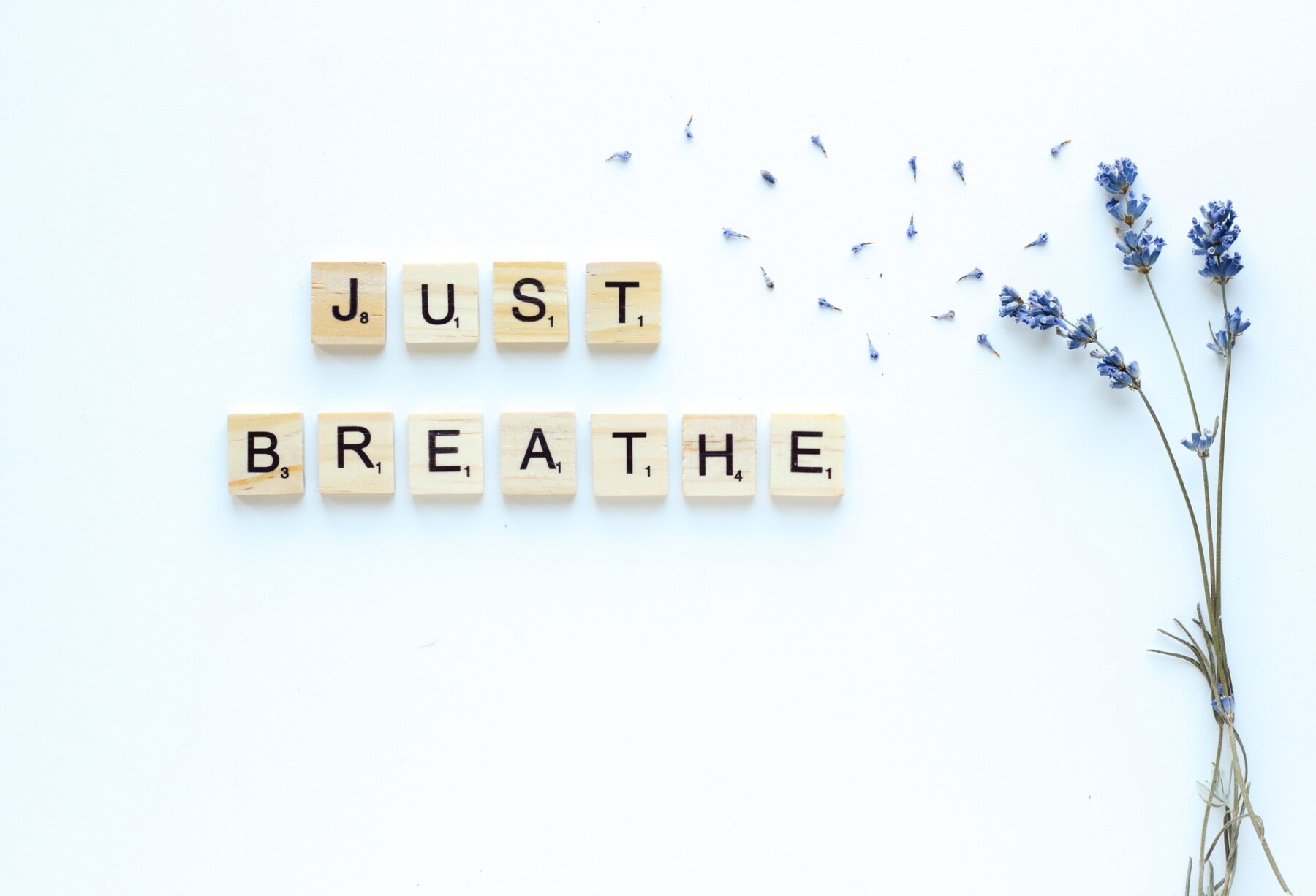
Take regular breathing breaks during the day. Consciously switch your ‘on’ button to ‘pause’.
-
Eat mindfully. Consciously taste what you eat – is that apple sour or sweet?
-
Move! Go for a walk in nature and use your senses: look, feel, smell. You’ll get free vitamin D as well!
-
Remember the abreviation CNNE:
-
Calm the mind
-
Normalise breathing
-
Nutrition with a focus on vegetables and fruit
-
Energy through movement
-
Inner calm as the basis for healthy sleep
The aim is to regain inner calm – an essential condition for a good night’s sleep. This approach helps you deal better with stress, negative thoughts and tension.
Gaining insight into how your sleep problem arose also helps. Through breathing and relaxation exercises you can develop skills that bring you closer to healthy sleep.
More energy, better looks, and even more desire for sex
By sleeping better you are more alert, more positive and more cheerful during the day. You also look better: a good night’s sleep reduces the production of the stress hormone cortisol. And perhaps surprisingly, a good night’s sleep increases libido in both men and women. In addition, good sleep is linked to a longer life – something that several studies confirm.
Additional sleep tips
-
Don’t live on autopilot. Pause to consider what you’re doing and ask yourself: “Does this really need to be done?”
-
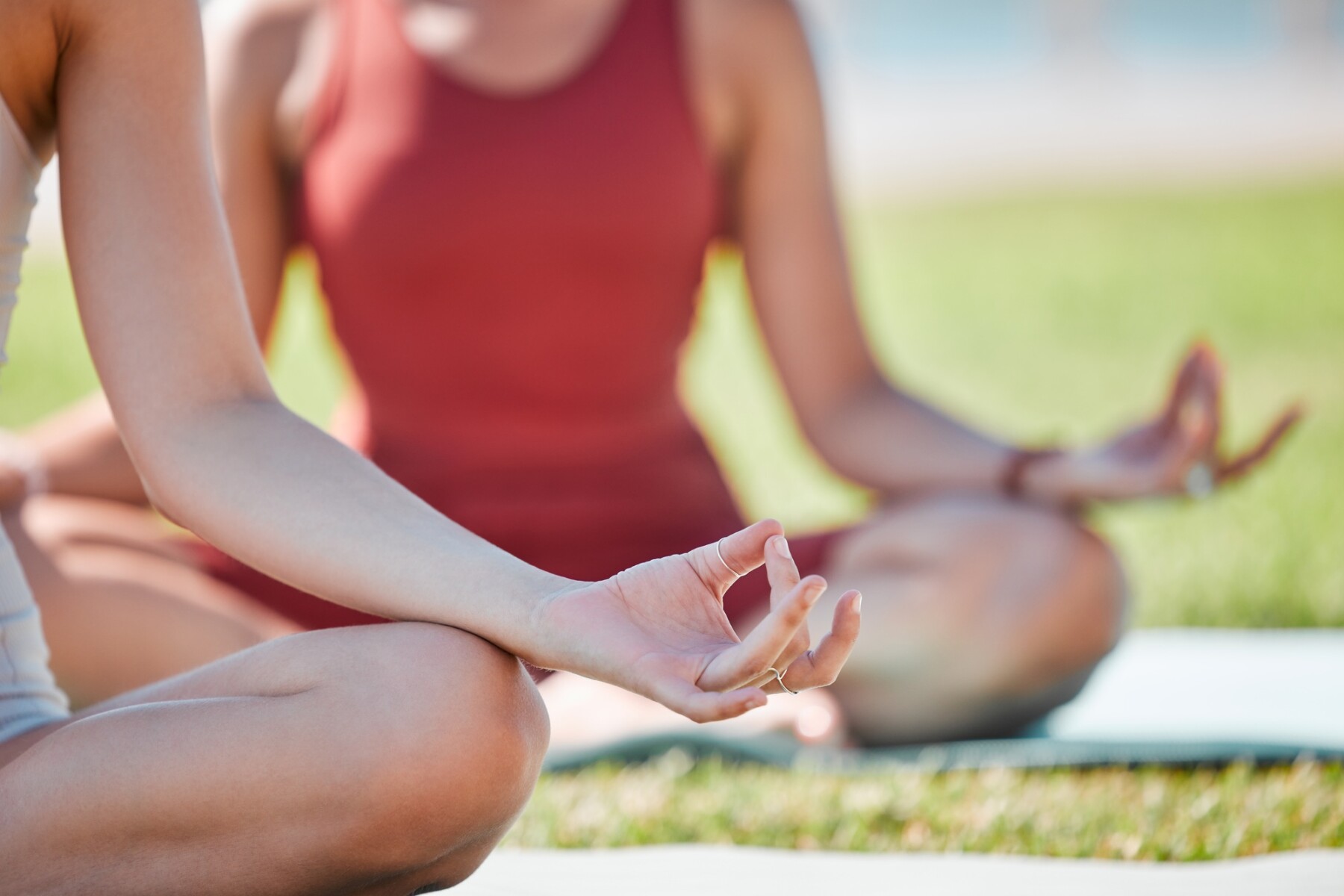
Build a calm evening routine: read a book, take a bath, go for a quiet walk, do yoga…
-
Avoid using screens in the last hour before you go to sleep.
-
Don’t drink coffee after 3 p.m.
-
Be aware of negative thoughts such as: “What if I can’t sleep again?” → Replace them with positive intentions, such as: “I’m looking forward to sleeping well tonight.”