We all sit way too much. At our desks, in the car, in front of the TV… And it affects your body more than you think. Have you ever had a stiff, numb butt after a long ride or workday? Then you’re not alone.
Welcome to the world of Dead Butt Syndrome, or in Dutch: the ‘sitting butt syndrome’. What exactly is it, how do you know if you have it, and most importantly: how do you prevent it? Time to move – literally and figuratively.
What is Dead Butt Syndrome?
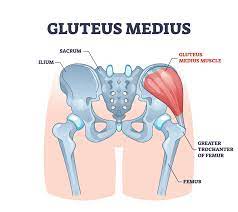
Not only your arms or legs can ‘fall asleep’. Your glute muscles can literally forget their function as well. In medical terms, this is called gluteal amnesia, and it mainly affects the gluteus medius – one of the most important muscles in your butt. This muscle provides stability in your pelvis and for your body balance. When you sit too much, the muscle is underused, weakens, and sometimes even shuts down.
The result? A muscle that no longer engages when you move. And you feel it: in your lower back, hips, or simply in your butt itself.
How do you know if you have it?
Almost everyone recognizes a mild form: the stiff, dull feeling after sitting for a long time. But in more severe cases it leads to:
- Stiffness in the buttocks
- Pain in the hips or lower back
- Reduced mobility
- A feeling of instability while walking or exercising
These complaints are often the result of an imbalance between load and load capacity. Prolonged sitting weakens your muscles. If you then suddenly start exercising, overload occurs.
Take the test: do you have a weak glute muscle?
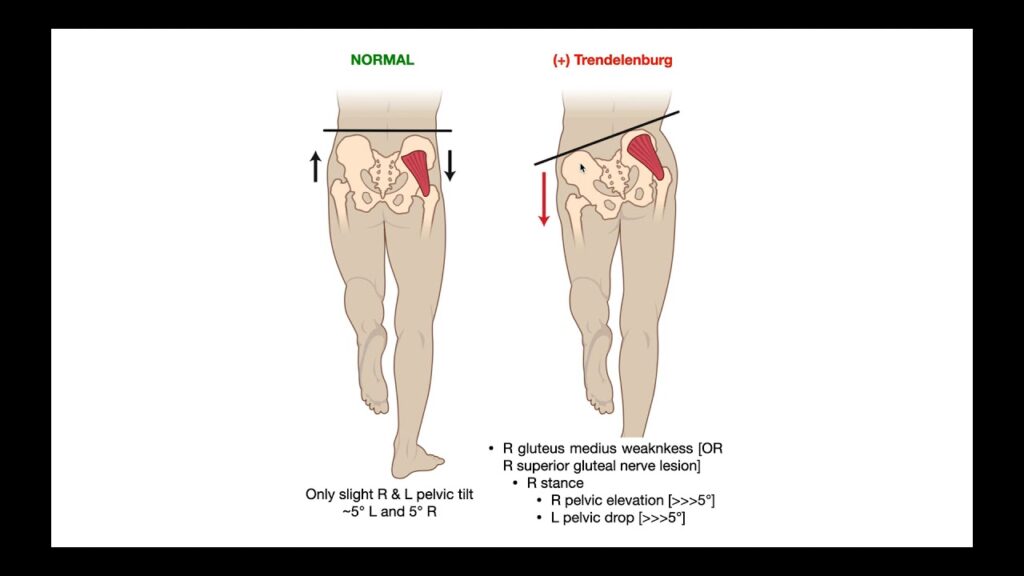
With the Trendelenburg test you can quickly discover if your gluteus medius is functioning well:
- Stand upright.
- Lift one knee up to 90°, as if you were on a bicycle.
- Watch what happens with your pelvis.
👉 Does your pelvis drop on the side of the lifted leg? Then the glute muscle of the supporting leg is too weak.
Prevention is better than sitting
he best remedy against a ‘dead butt’? Movement. Frequent and varied. Especially if you have a sedentary job.
Tips to break your sitting habits
- Stand up every half hour.
- Walk around while you’re on the phone.
- Take the stairs instead of the elevator.
- Get coffee a few floors away.
- Cycle to the store instead of taking the car.
- Exercise regularly, but spread it out over the week. Playing paddle intensively once is not enough.
- Take it easy – overloading is not the goal.
Build an active workstyle
- After 30 minutes of sitting: move for 3 minutes, for example squats.
- Assign someone at the office each day to be responsible for movement moments.
- Alternate your posture:
- Working while standing? Switch supporting leg.
- Sitting? Use different chairs or a stability ball.
- Try an active sitting posture: slide forward on your chair, feet under your chair, knees lower than your hips → this way your pelvis tilts forward automatically and you keep a natural hollow back.

5 exercises for strong glute muscles
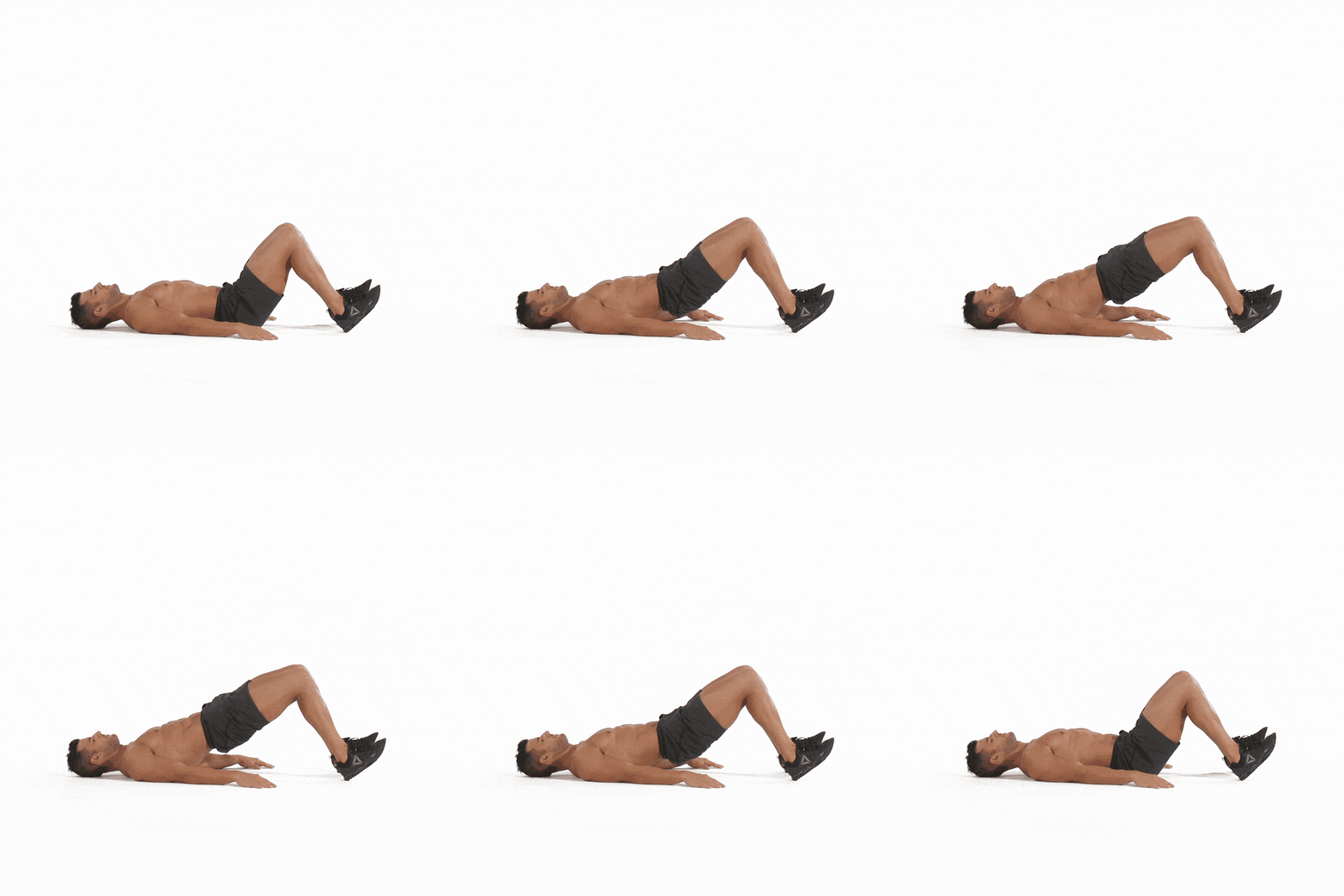
Gluteus bridge
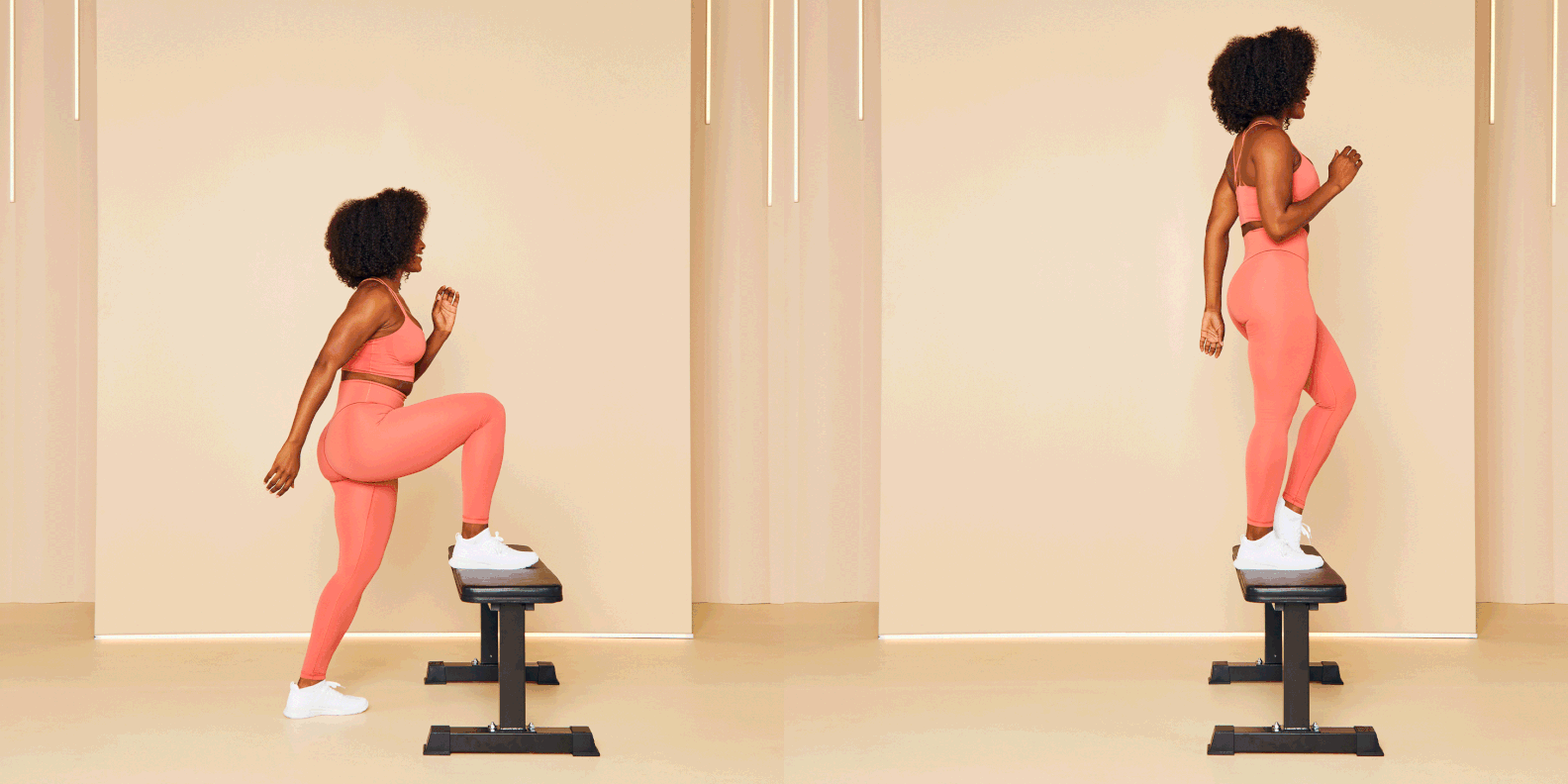
Step ups
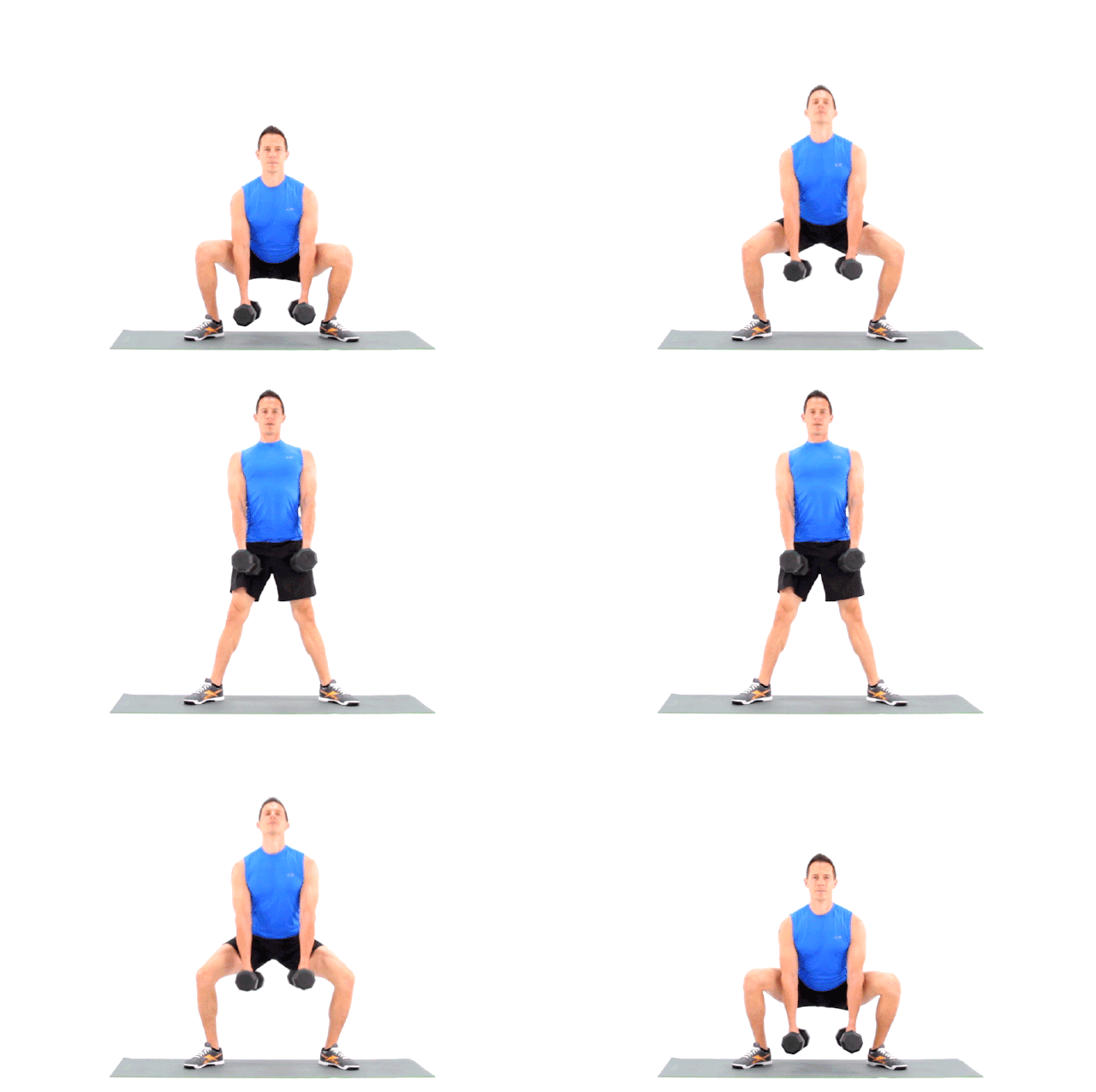
Sumo squats
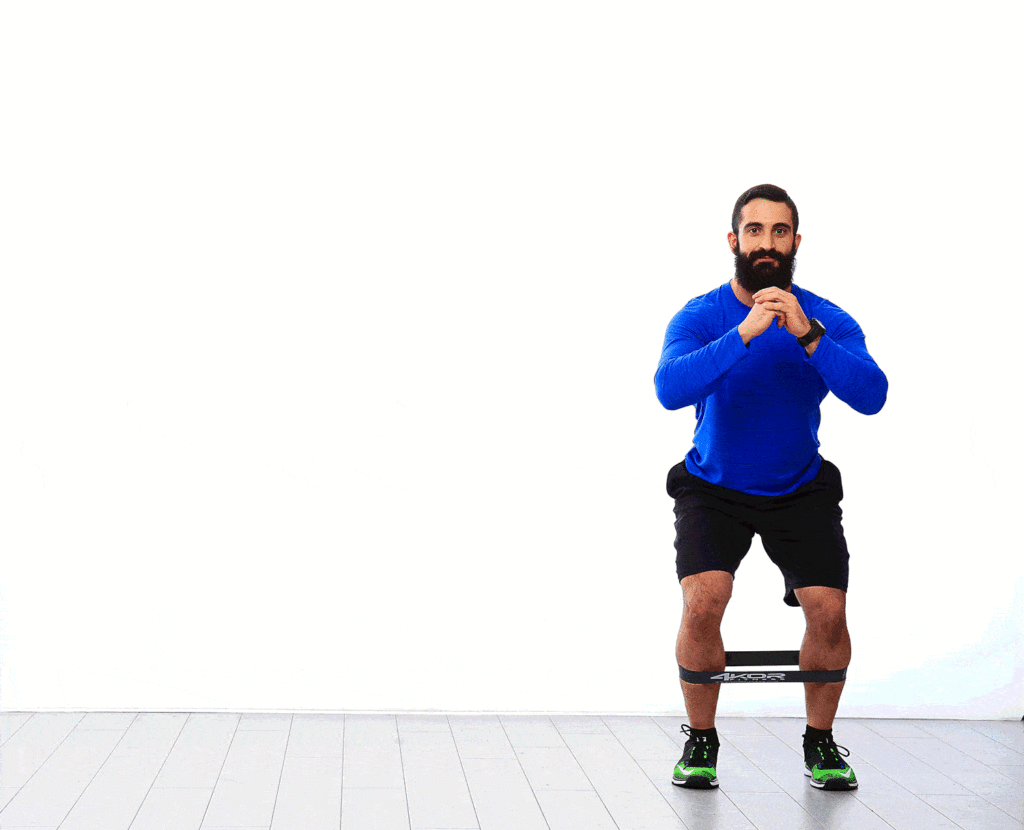
Banded side walks
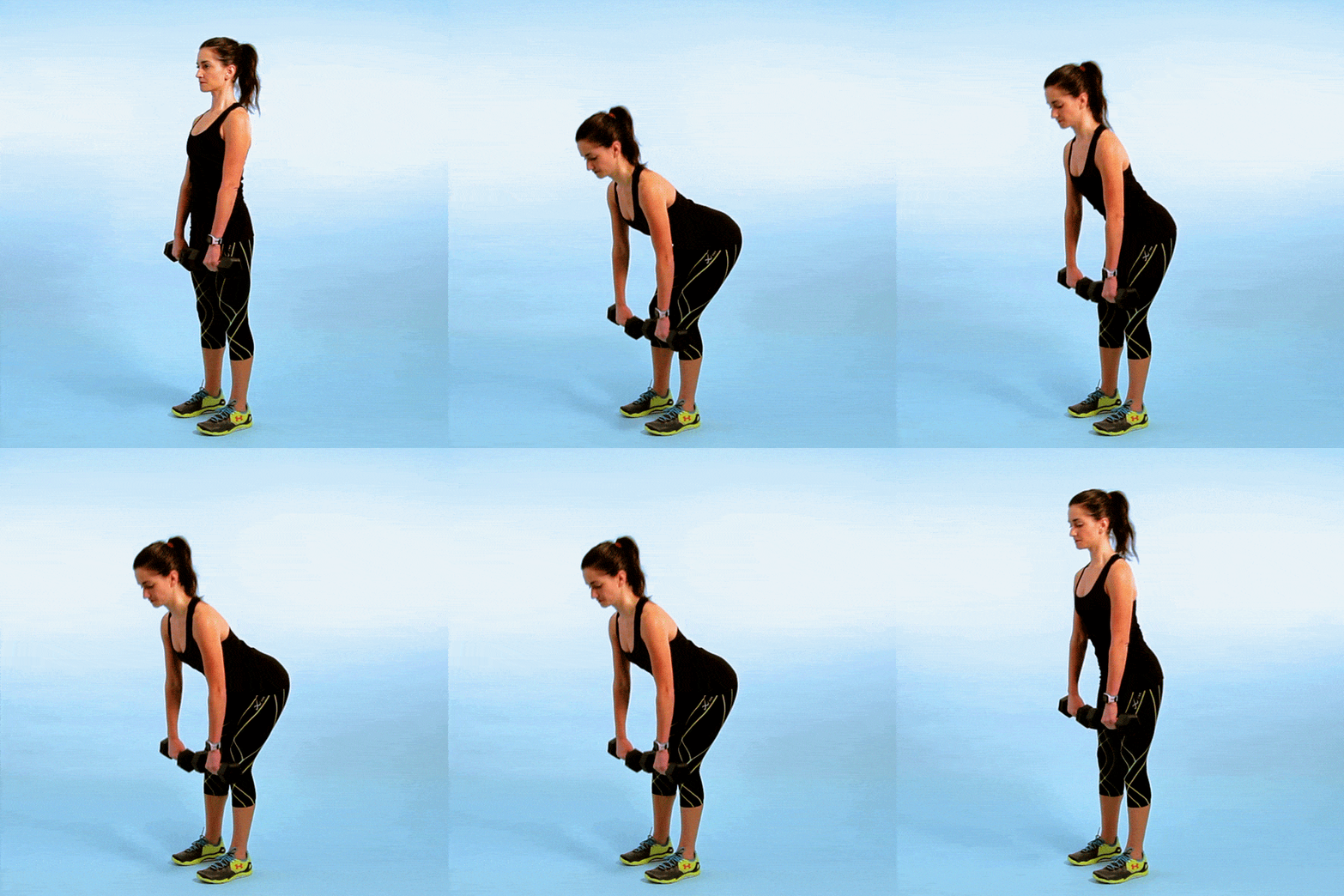
Romanian deadlift
Conclusion: your butt deserves movement
Your glute muscles are essential for balance, posture, and pain-free movement. Give them the attention they deserve. Stand up regularly, change your posture, move consciously, and train them specifically. Your butt – and your whole body – will thank you.
Source: This article is inspired by the article from the New York Post about Dead Butt Syndrome. Read the original article here: How to tell if you have ‘dead butt syndrome’ — and how to avoid the condition.
Inspired by this article?
Do you also want your team to move more while working on a healthier and more energetic life?
We offer fitness tests, movement moments, and customized movement programs.
Contact us to explore the possibilities!